UX CASE STUDY
Education system

How did you i help reduce the time it take to review
Role
UX/UI Designer, Researcher
TimeLine
May - Oct 2024
Categories
System-HRM-ERP
Client
Dechant Music Academy






How did you i help reduce the time it take to review
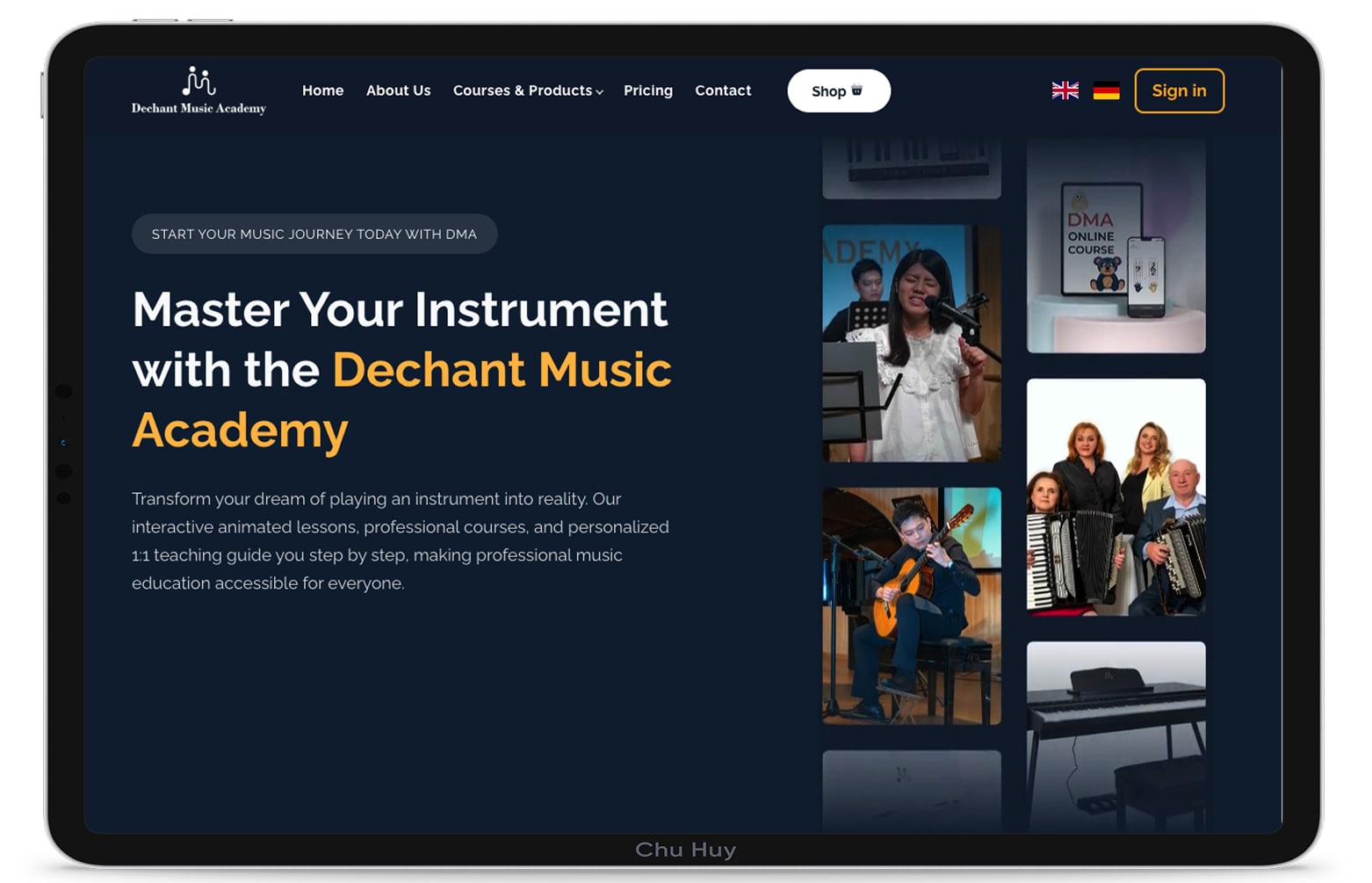
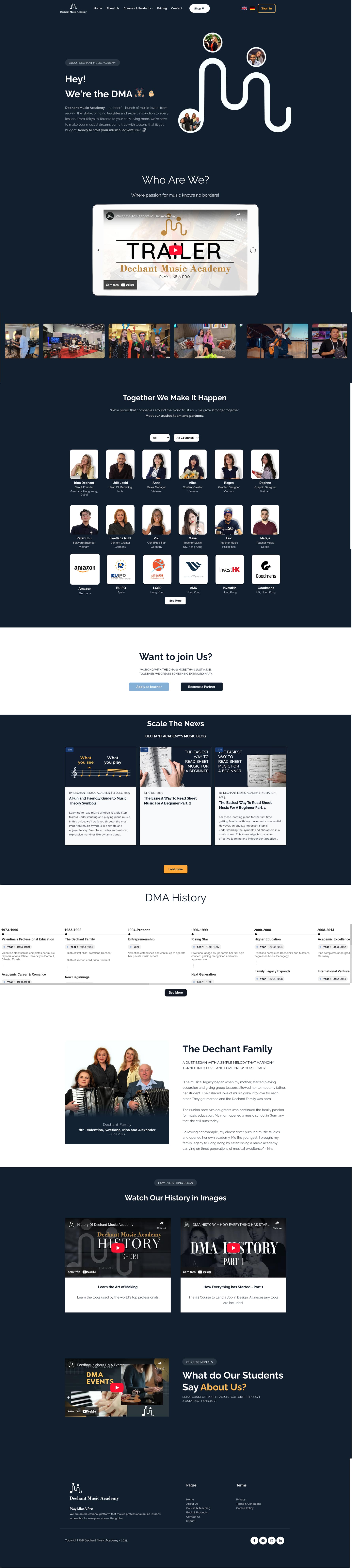
Dechant Music Academy (DMA) is an international music education platform based in Hong Kong that offers online and offline courses for learners worldwide. The academy provides structured programs for various instruments such as piano, guitar, clarinet, and violin, with a mission to make professional music education accessible and affordable for everyone.
The goal of this project was to redesign and rebuild the entire website and internal system to enhance user experience, improve performance, and modernize the digital presence of the academy.
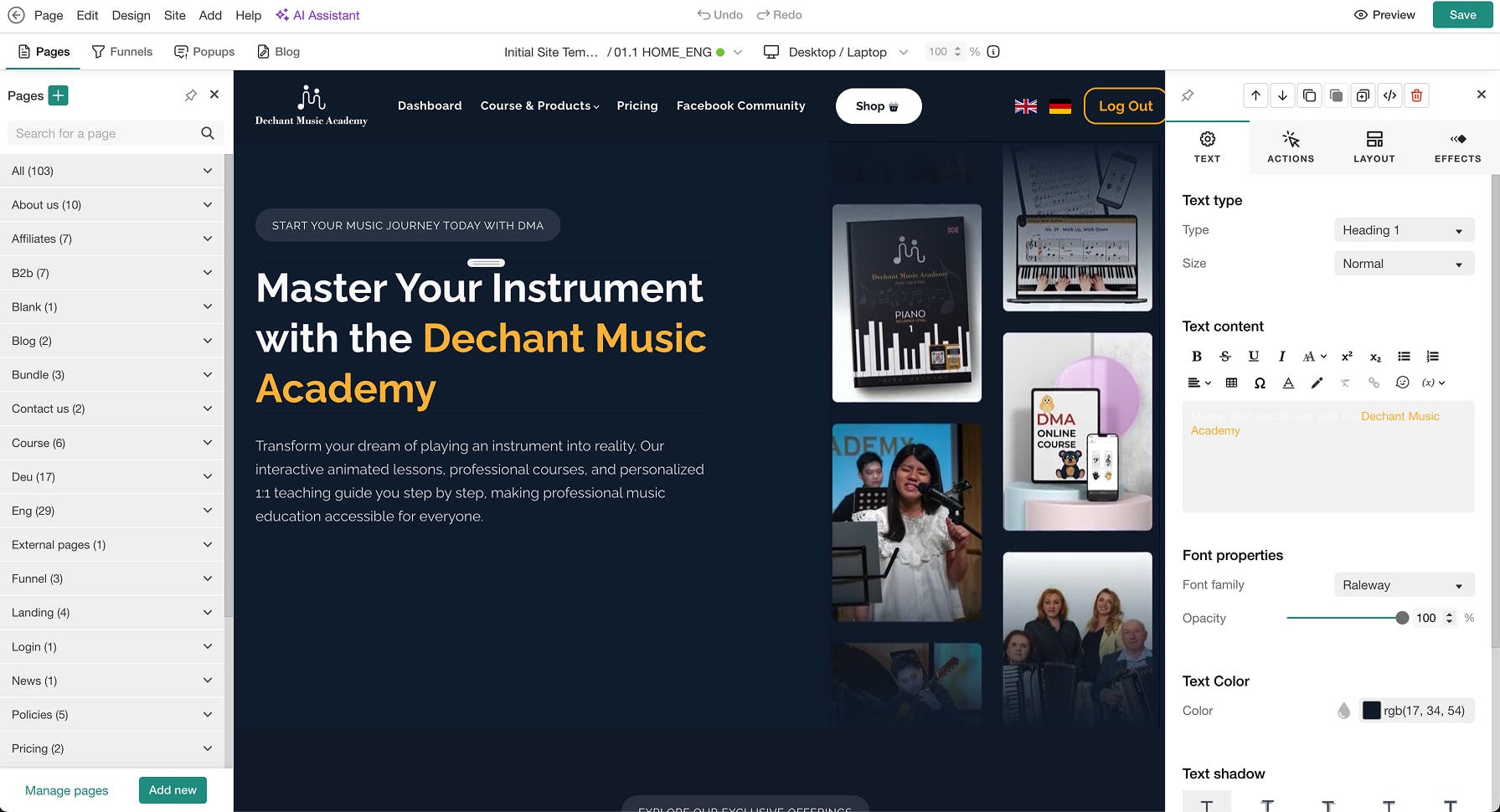
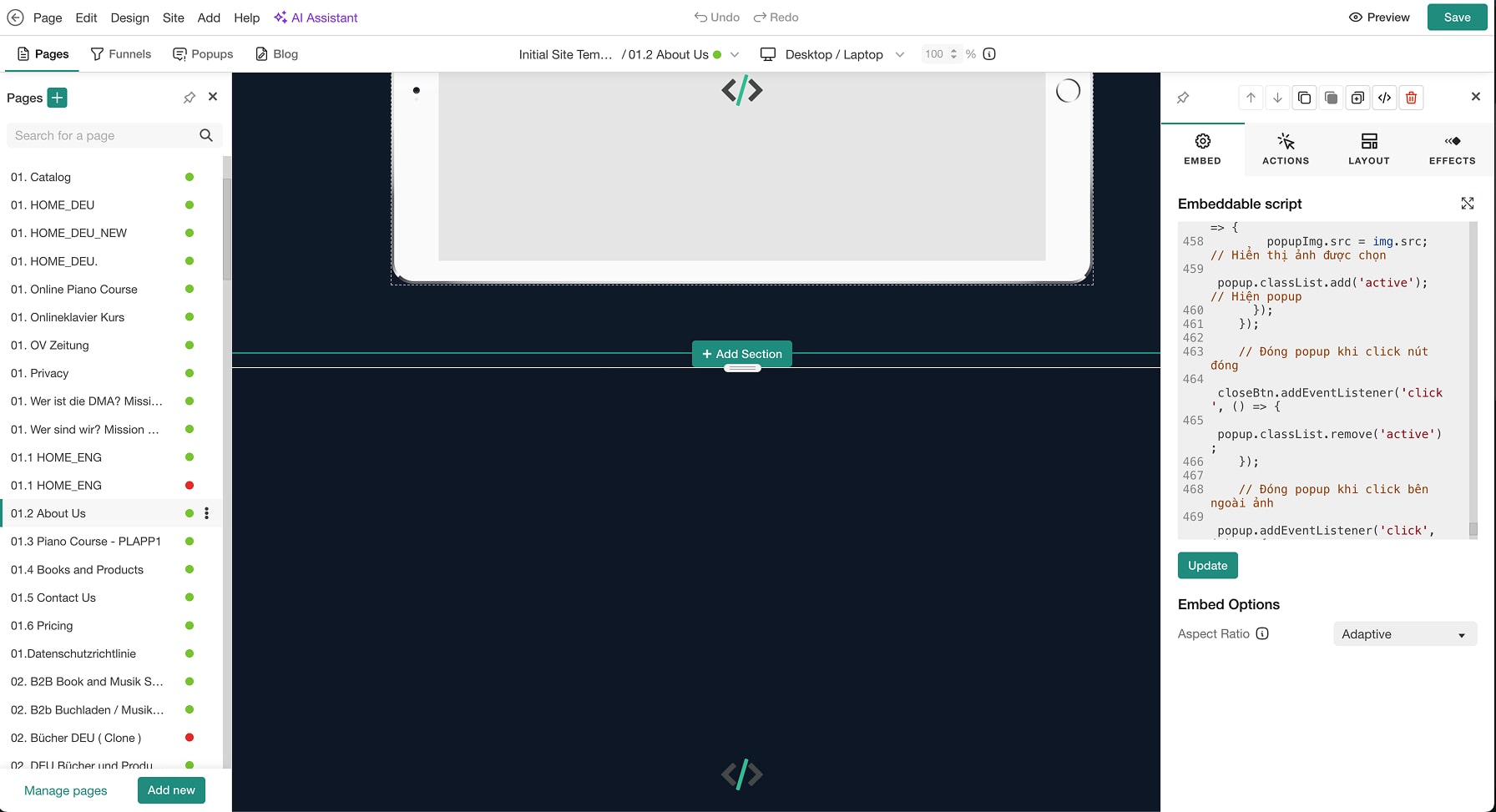
I was responsible for both the UI/UX design and front-end development, implementing the new system using LearnWork to manage online courses, user data, and digital products such as books and instruments.
The redesigned website introduces:
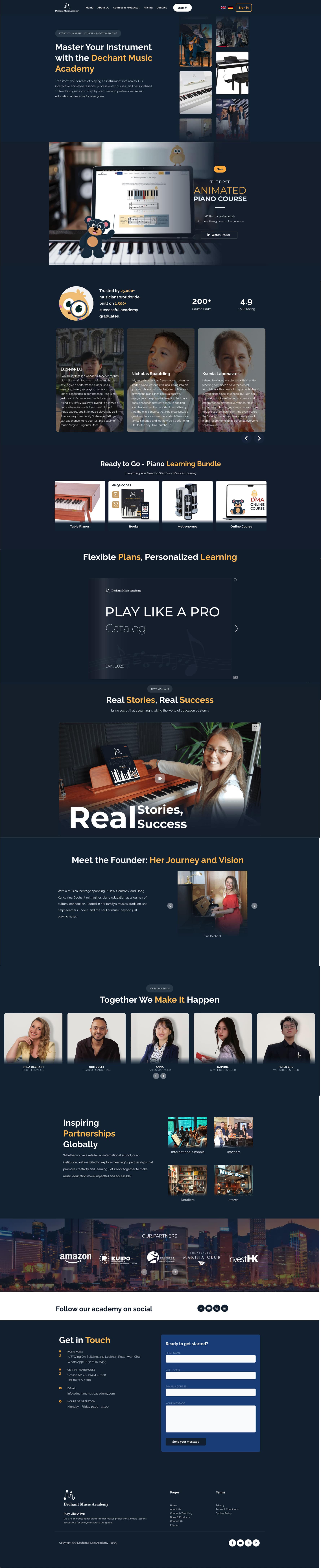
- A clean and modern UI that aligns with the academy’s global brand identity.
- Interactive learning sections and e-commerce integration for courses, ebooks, and musical instruments.
- A responsive, multilingual interface supporting both English and German audiences.
- Optimized navigation flow for smoother course discovery and purchasing experience.
- A secure and scalable backend structure that supports user registration, login, and payment integration.
The result is a more engaging and efficient platform that helps DMA connect with thousands of students around the world while maintaining a professional and trustworthy digital identity.
Outdated user interface that did not reflect the academy’s professional and international identity.
Inconsistent layout and navigation, causing users to struggle when finding courses or making purchases.
Slow performance and limited scalability, especially when handling multiple course types, products, and users simultaneously.
Lack of integration between learning content and e-commerce, making it difficult for students to enroll or access materials directly from the website.
Backend management inefficiencies, where updating courses, ebooks, or user data required manual processes and lacked a centralized control system.
Redesign the UI/UX to create a clean, intuitive, and responsive interface that works seamlessly across devices.
Rebuild the website architecture and system using LearnWork, ensuring smooth management of users, courses, and transactions.
Integrate e-learning and e-commerce features so users can learn, purchase, and access content within one unified platform.
Enhance website performance with optimized loading speed and structured content management.
Support multilingual accessibility (English and German) to serve the academy’s international student base.
Step 1
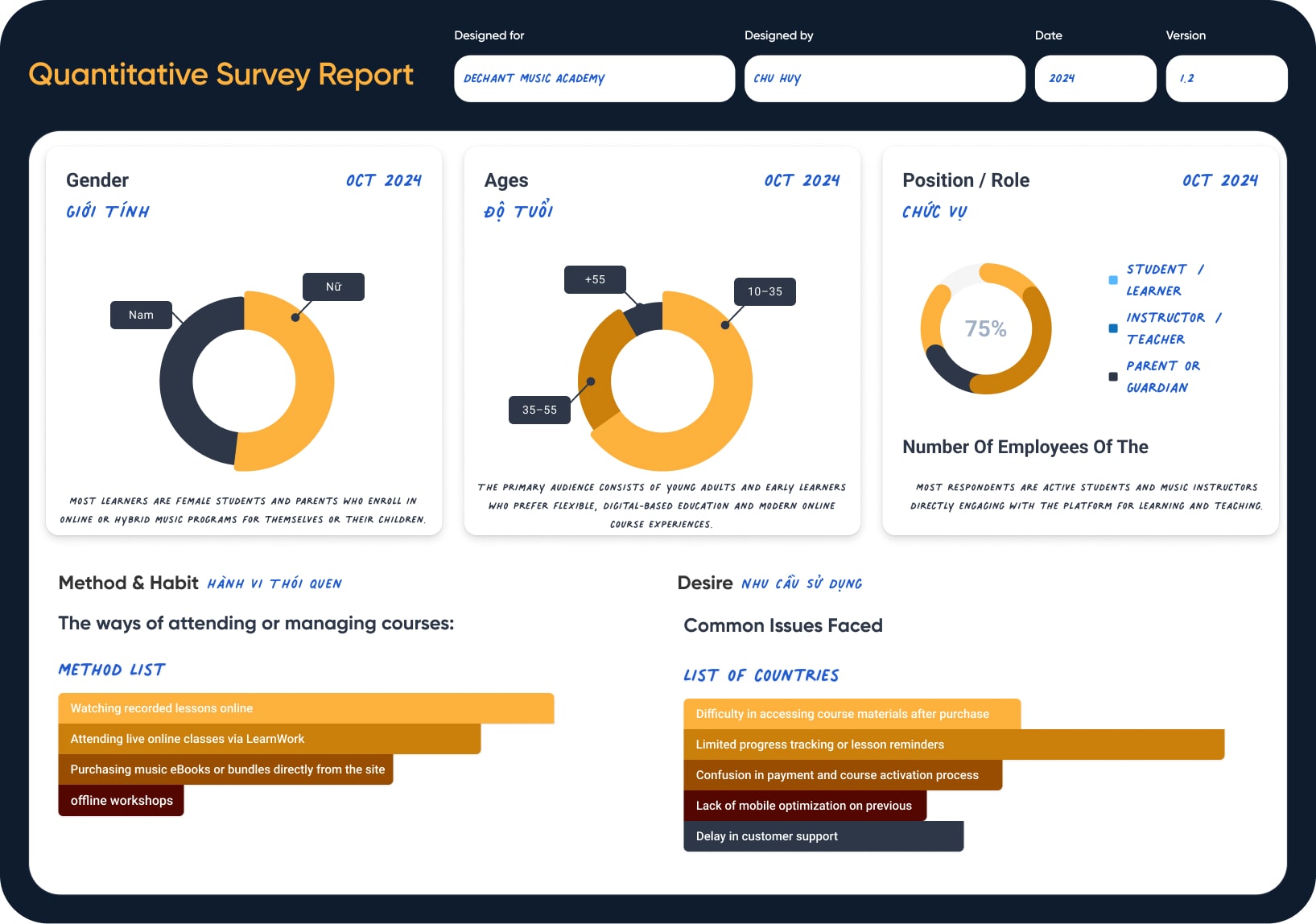
To ensure the redesign addressed both user and business needs, I conducted a structured research process combining quantitative and qualitative methods. The goal was to understand how students, parents, and instructors interacted with the old system and what improvements they expected from the new platform.
Step 2
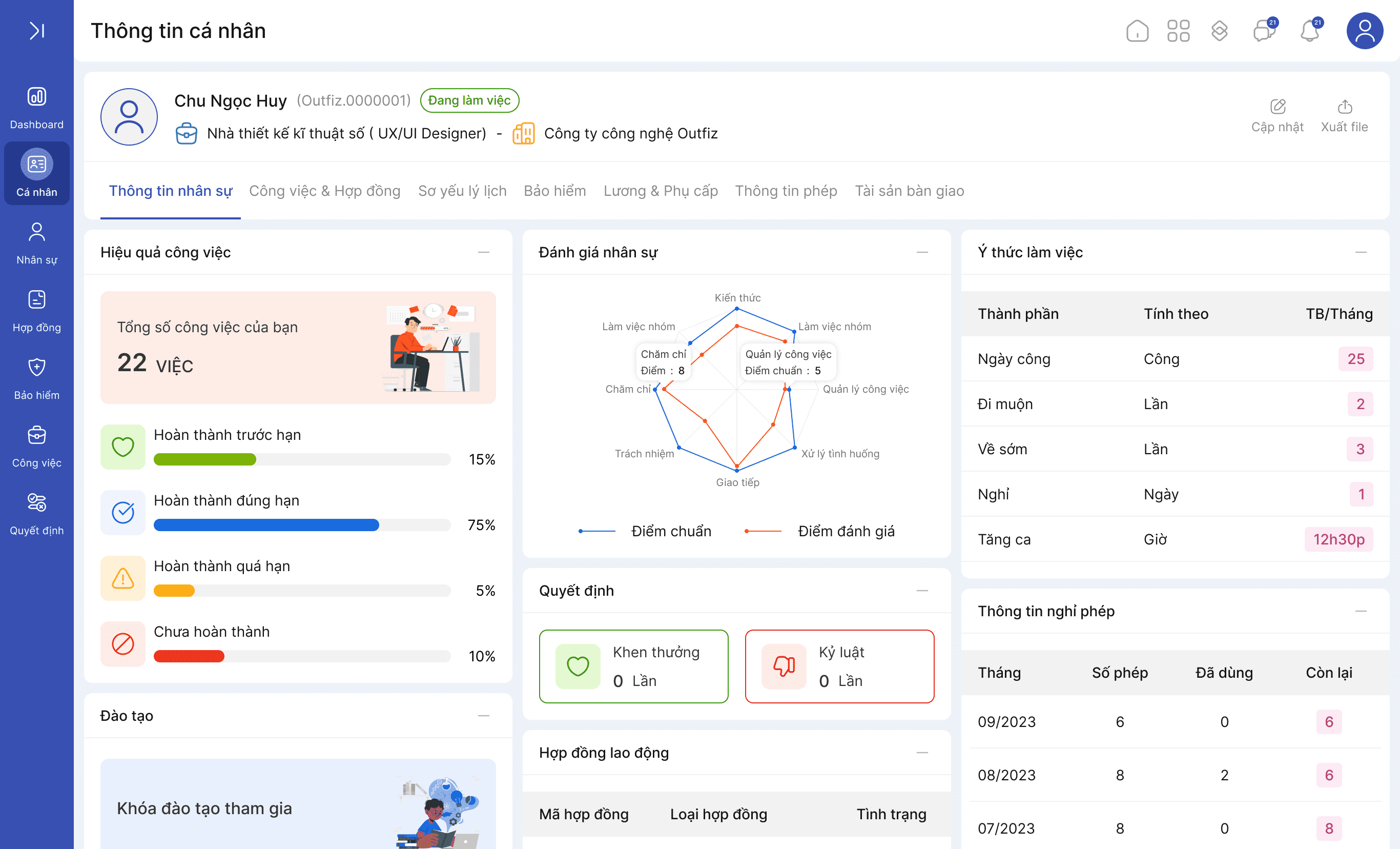
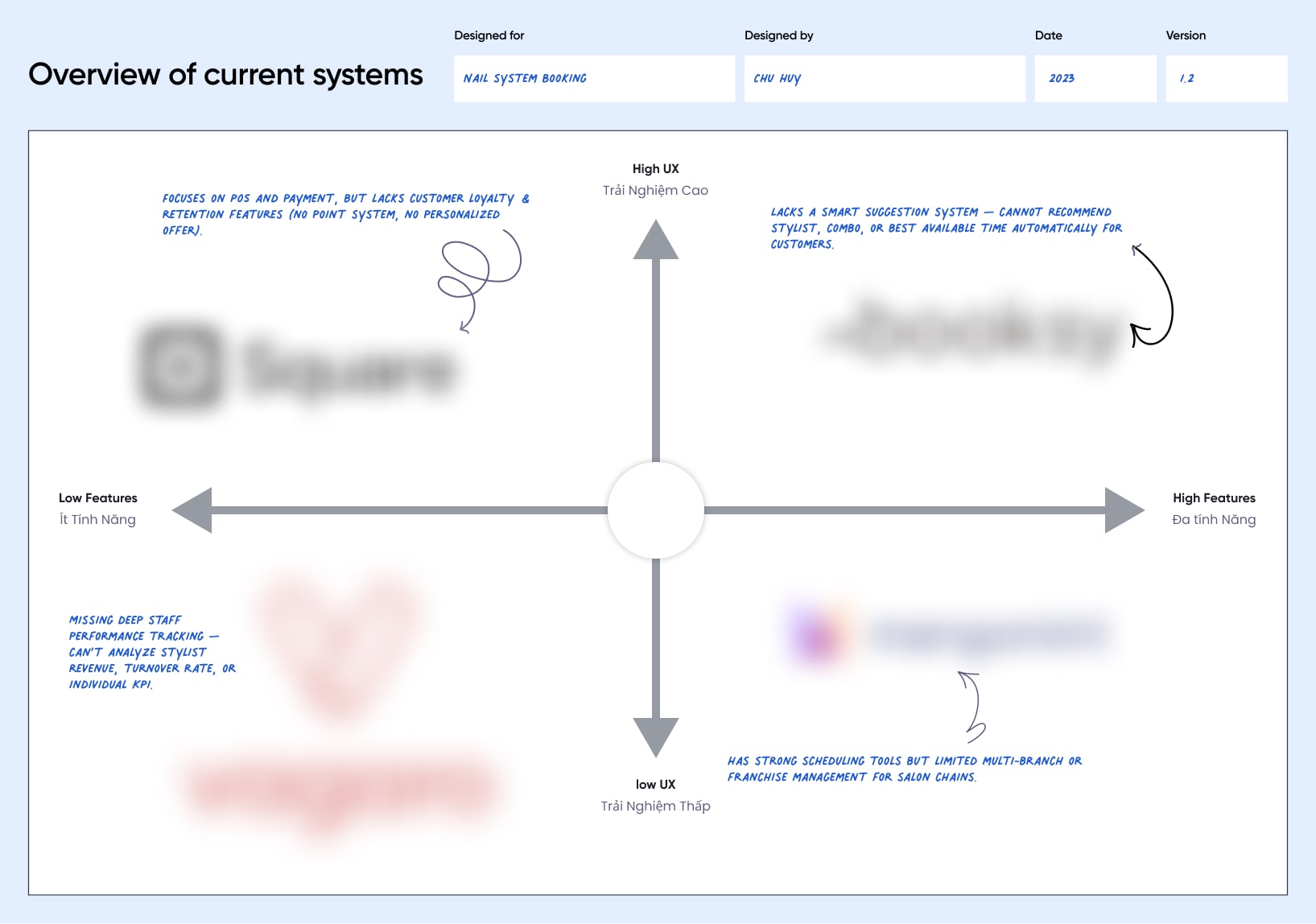
Compared to other HRM solutions, I strike a balance between user-friendly experience and flexible features
This allows me to be as easy to use as "B"HRM while offering rich capabilities like Workday or Oracle, without unnecessary complexity.
Step 3
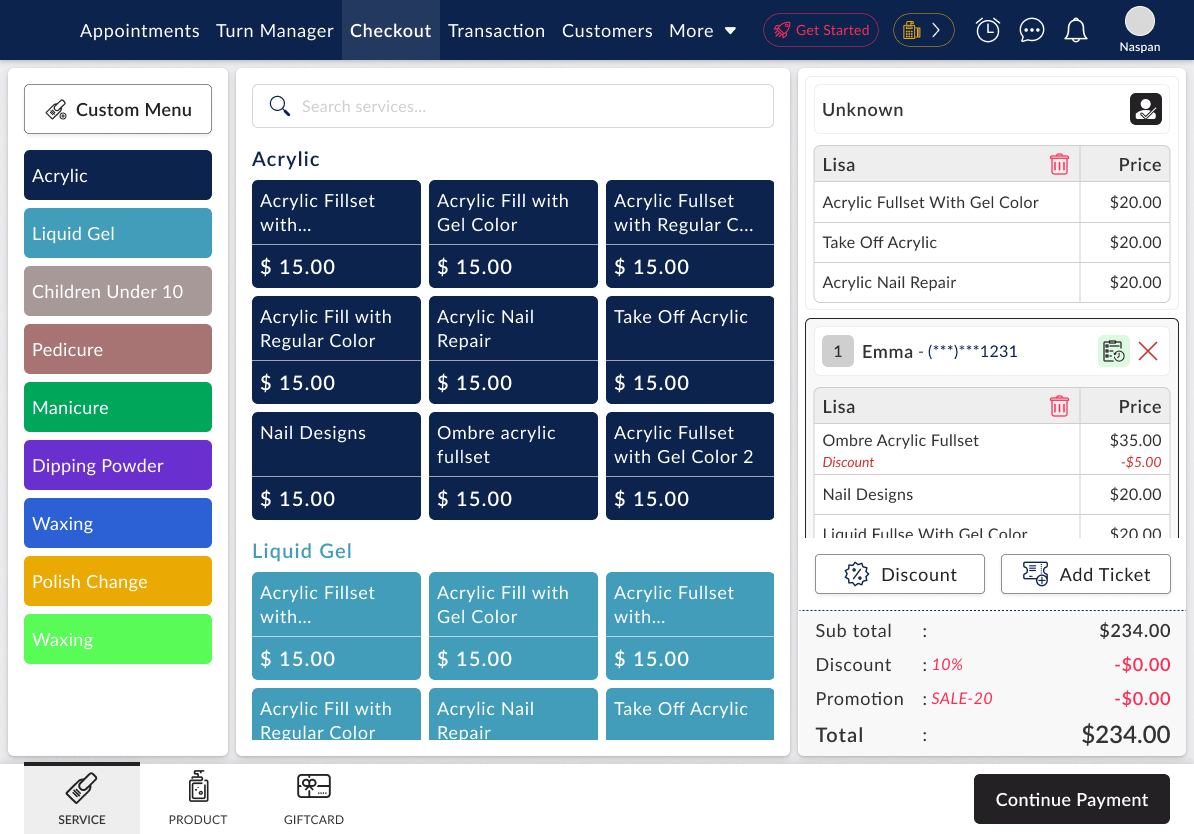
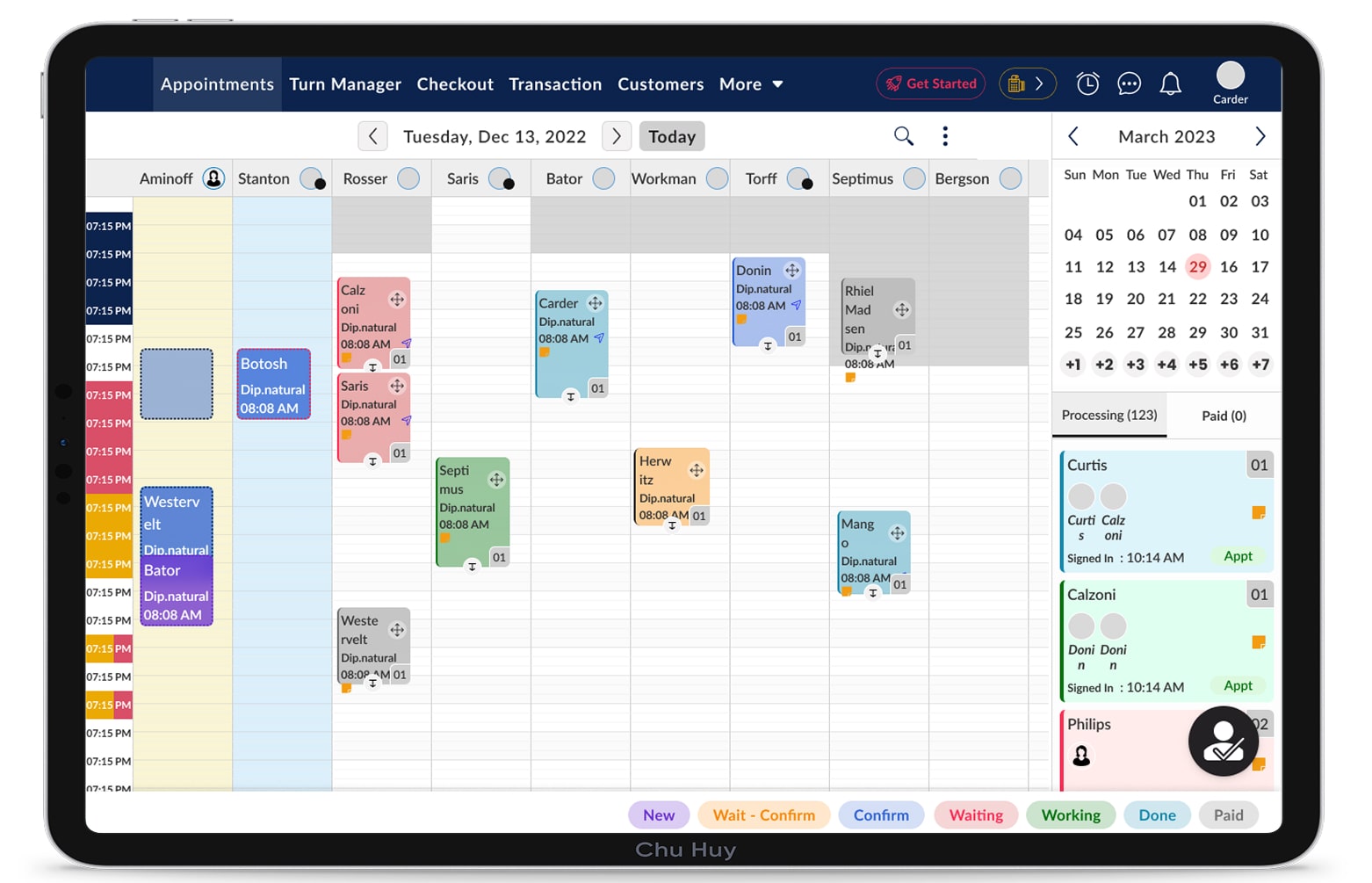
Provide a simplified appointment booking flow so customers don’t drop off during the booking process.
Enable multi-payment methods (cash, card, gift card, loyalty points) to increase flexibility and customer satisfaction.z
Offer automated reminders (SMS/Email) to reduce no-shows and keep customers engaged.
Track customer purchase and service history to help salons personalize offers and promotions.
After understanding the overall goal of the entire project. In thefirst sprint, we conduct user surveys to get a project overview of thecontext , focus groups , required freatures ,user insights and more.
Step 4
Website UI was outdated and inconsistent → poor visual hierarchy, confusing navigation, and unresponsive design on mobile
Course enrollment process was complex → users had to navigate multiple pages to register or make payments.
No centralized student dashboard → students couldn’t track their learning progress or access feedback easily.
Instructors had to manage content manually via email or shared drives → inefficient and time-consuming workflow.
Lack of analytics and admin tools → management couldn’t monitor course performance or student engagement effectively.
Limited accessibility → pages loaded slowly and lacked clarity in layout and typography.
Modernized responsive UI → unified design language, clear layout, and mobile-first optimization → improved user retention by 35%.
Streamlined course enrollment → single-page registration and payment system → reduced user drop-off during checkout by 40%.
Personalized student dashboard → allows students to track lessons, progress, and certificates → increased engagement and satisfaction.
Instructor management system → teachers can upload materials, track student performance, and provide feedback in one platform.
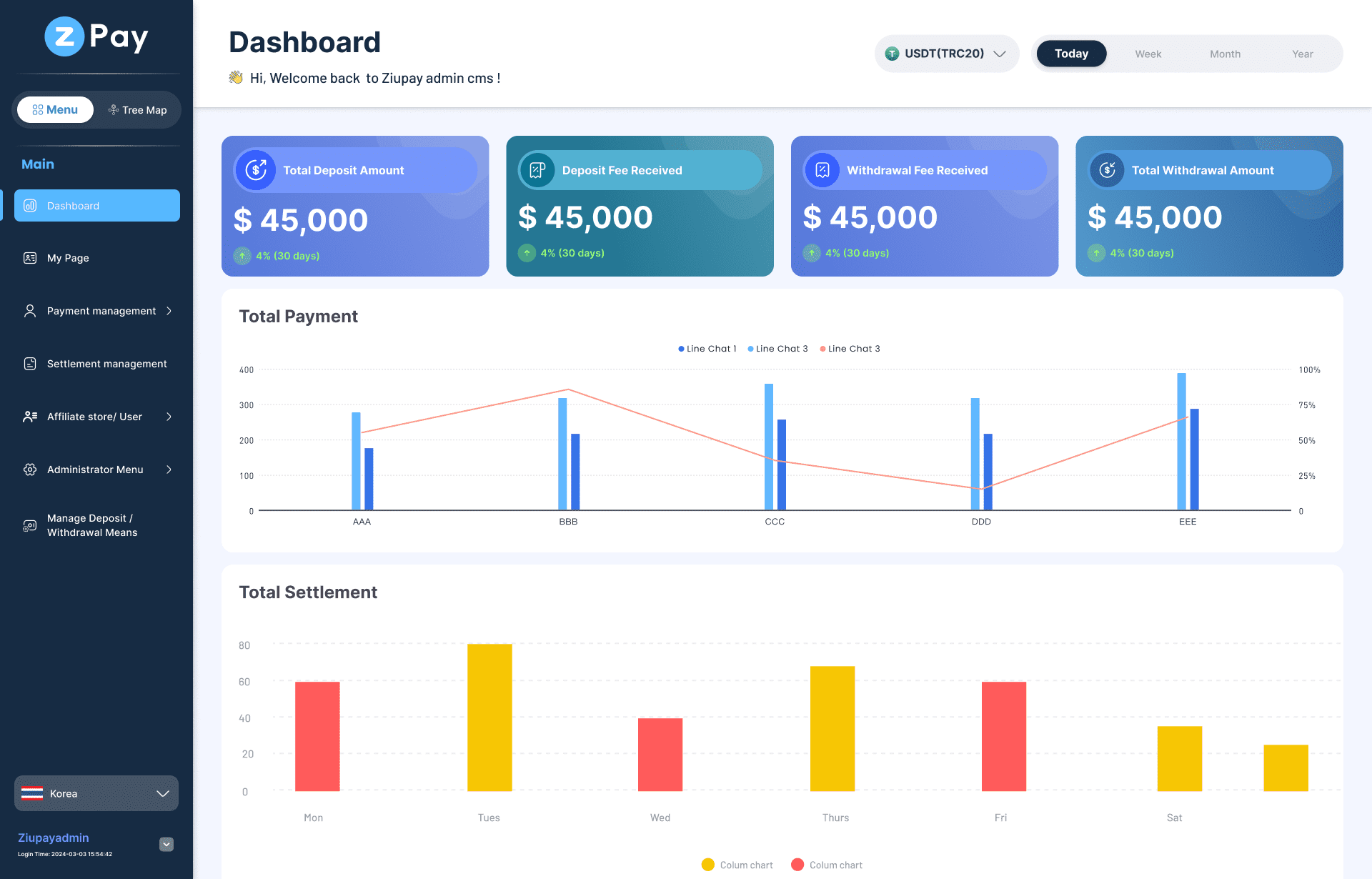
Admin analytics dashboard → real-time reporting on revenue, course popularity, and student activity → improved decision-making.
Enhanced accessibility & performance → faster page load time, optimized UX flow, and consistent typography across devices.
Built a unified learning ecosystem combining course booking, payment, student dashboard, and instructor management.
Usability testing proved the UI was intuitive, elegant, and easy to navigate, even for users with limited digital experience.
Integrated online payment and enrollment automation, reducing administrative workload by 40%.
Developed a teacher dashboard that simplified content management and improved communication between instructors and students.
Enhanced data visualization and analytics for admin → allowing real-time tracking of student progress and course performance.
Key lesson: prioritize a mobile-first learning experience, as most students and parents interact via smartphones.
For music education platforms, simplicity and trust are crucial — users value clarity in course details, transparent pricing, and easy access to lessons.
Teachers benefit most from a streamlined management system that reduces manual work, letting them focus on teaching rather than logistics.
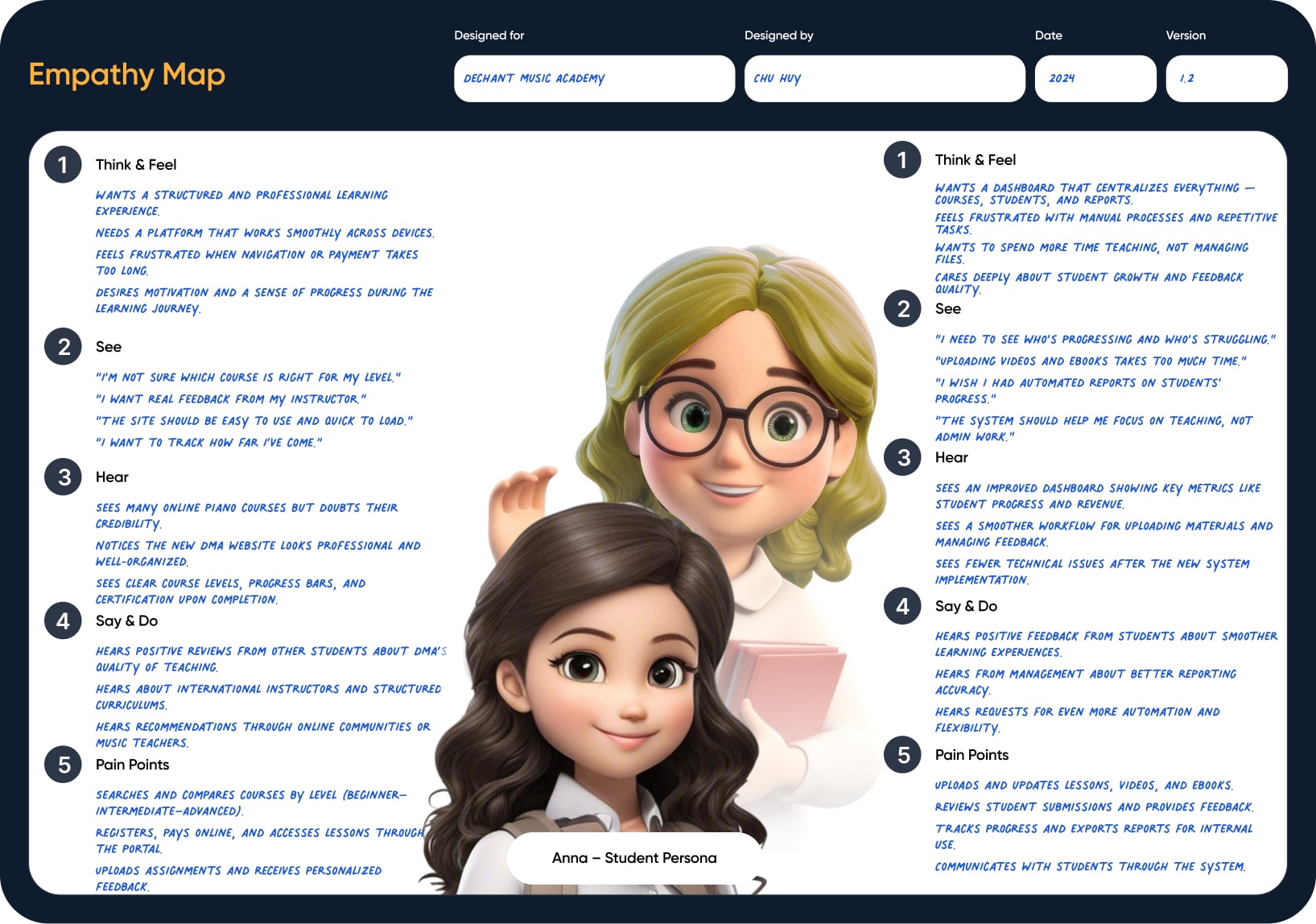
Empathy mapping confirmed that progress tracking, flexible payments, and direct communication tools greatly increase user satisfaction.
The redesigned system goes beyond simple enrollment — it functions as a complete academic management solution that connects students, instructors, and administrators seamlessly.