UX CASE STUDY
An Optimal
with HRM System
with HRM System

How did you i help reduce the time it take to review
Role
UX/UI Designer, Researcher
TimeLine
May - Oct 2023
Categories
Web-based App
Client
Outfiz






How did you i help reduce the time it take to review
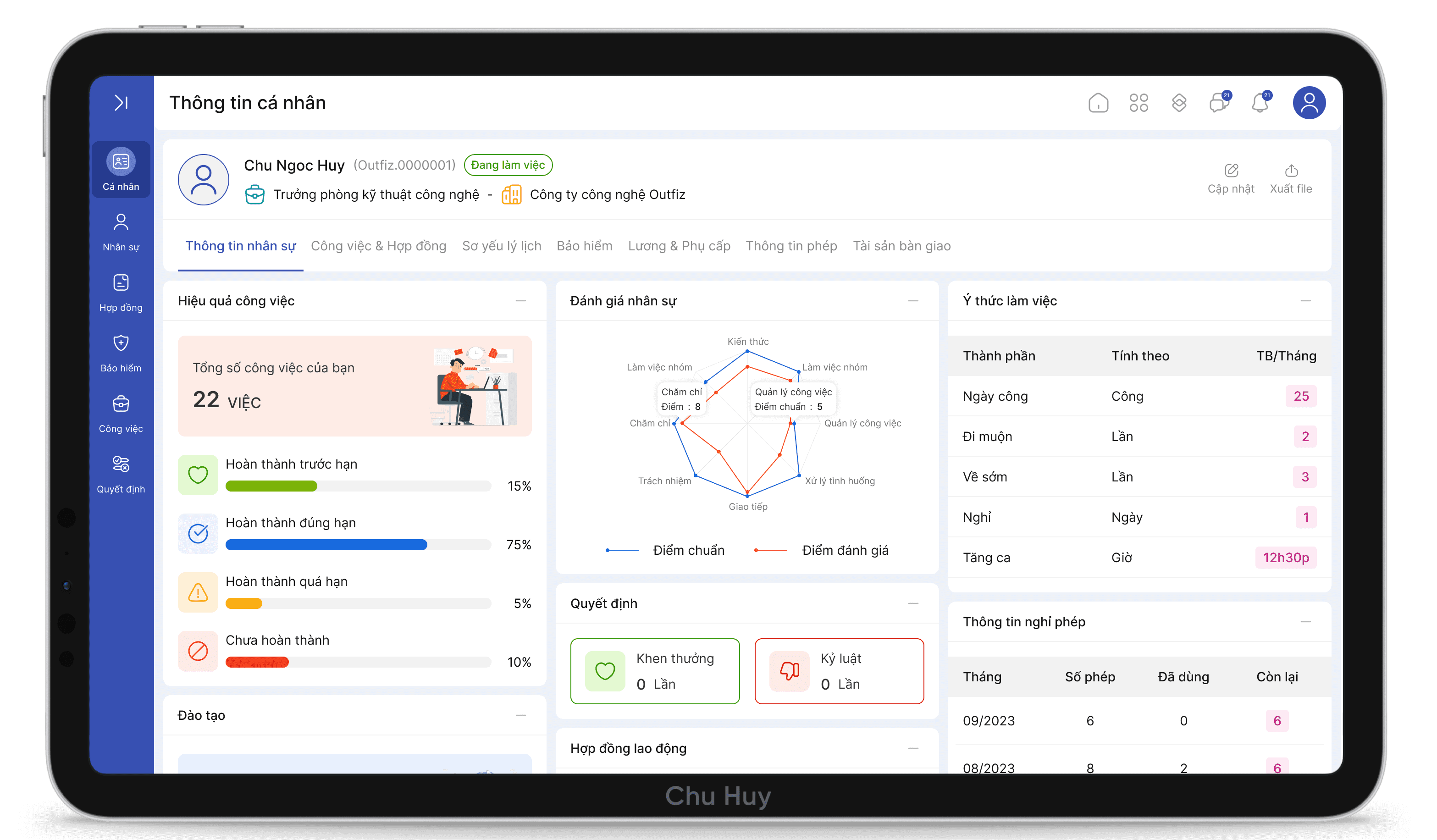
I will share about one of the case studies of "Exit Pages" in HRM Systems, where my team achieved to help HR department simplify HR processes and save time as well as their efforts.About the whole project.
Our team has previous experience developing Enterprise Resource Planning (ERP) software for a real estate client (this ERP included HRM and more).
In this post, applications like: Intranet, CRM, Dynamic Processes, Task Management and other satellite projects). Since then, Team Design & Team dev worked with PM and PO to re-conceptualize, re-engineer, and product roadmap for an HRM product independent of the previous ERP following an Agile process.
Outdated interface, slow workflows (5–7 mins/task).
Low adoption rate (45% employees using regularly).
Fragmented functions causing 28% manual errors.
Limited time, task, and attendance management.
Lack of scalability and analytics capability.
Redesign intuitive UI, cut task time by 30%.
Increase adoption from 45% → 80% within 6 months.
Integrate HRM processes, reduce errors to <10%.
Enhance task & time tracking + smart attendance.
Support mobile & analytics dashboard, shorten reporting time by 20%.
Step 1
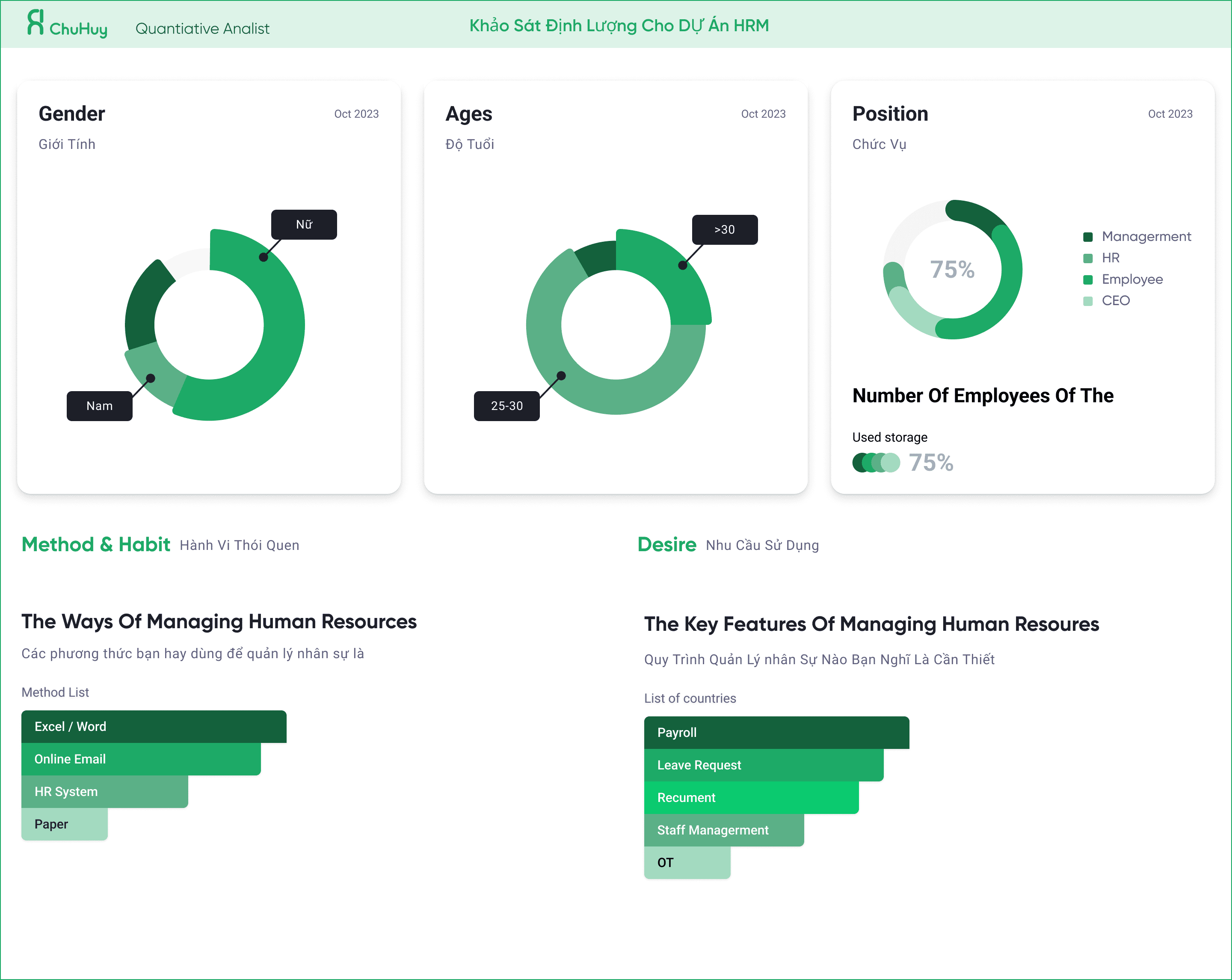
Understanding the target group of users that the system wil serve through thesurvey is also a good thing, right?
After understanding the overall goal of the entire project. In thefirst sprint, we conduct user surveys to get a project overview of thecontext , focus groups , required freatures ,user insights and more.
Step 2
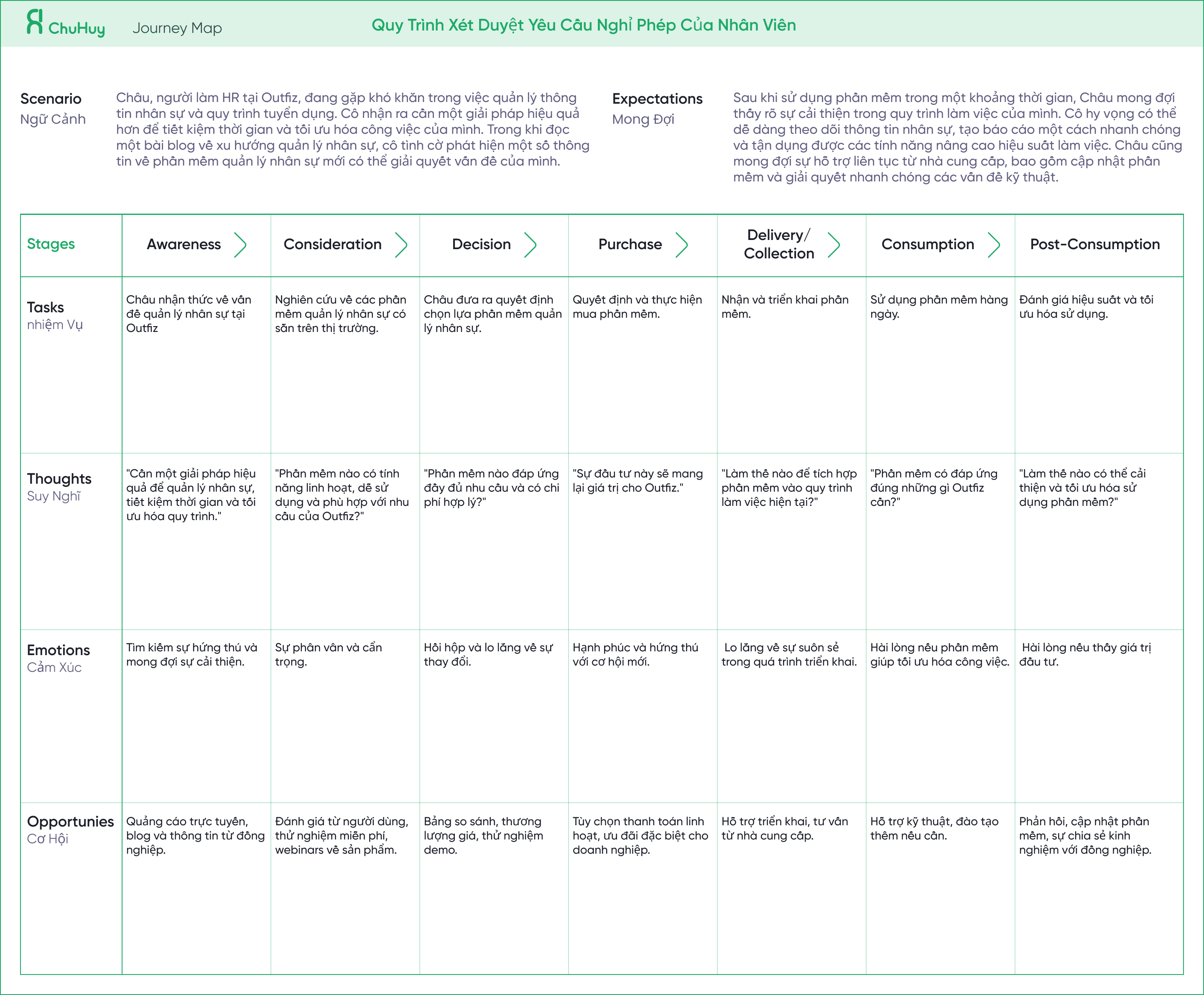
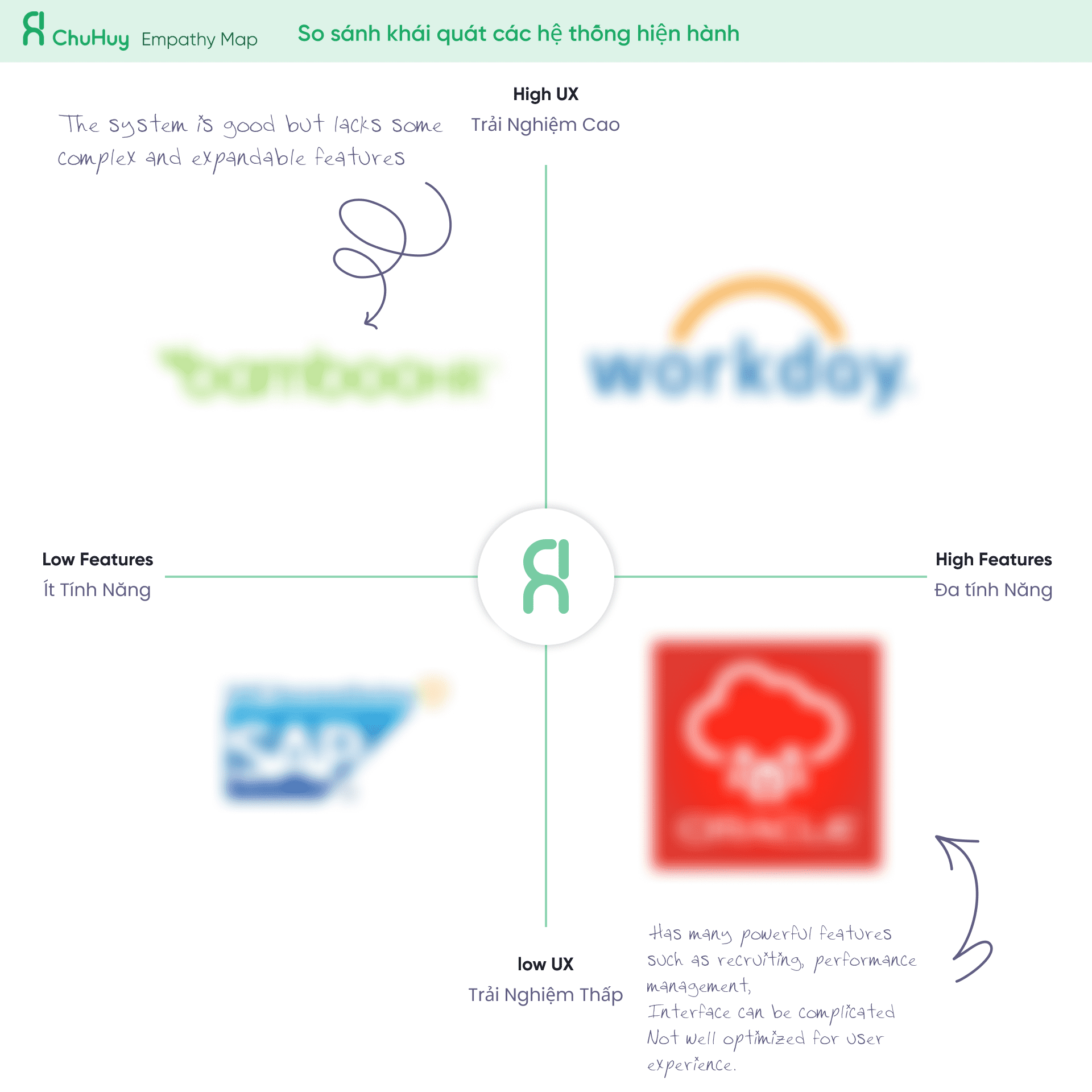
Compared to other HRM solutions, I strike a balance between user-friendly experience and flexible features
This allows me to be as easy to use as "B"HRM while offering rich capabilities like Workday or Oracle, without unnecessary complexity.
Step 3
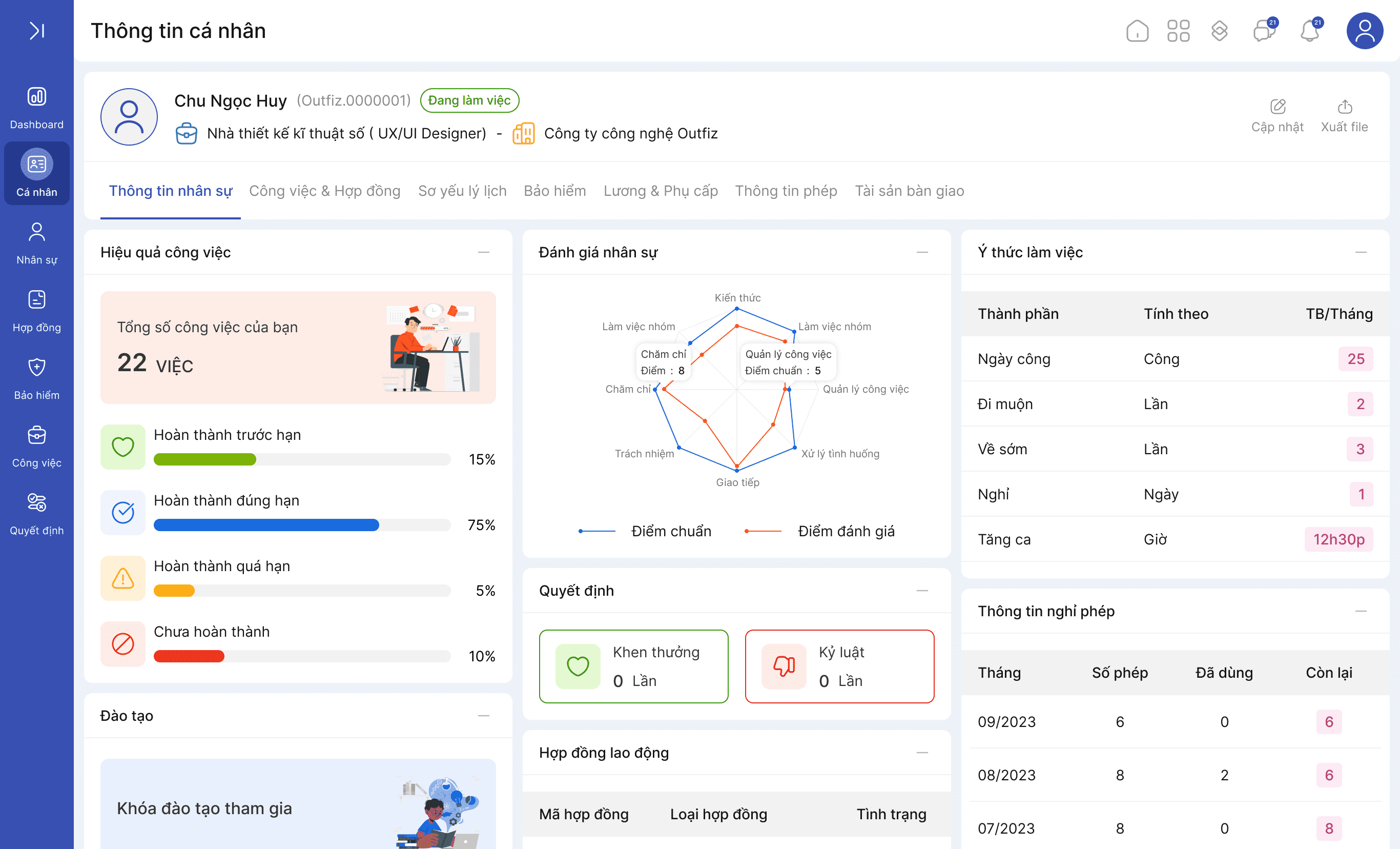
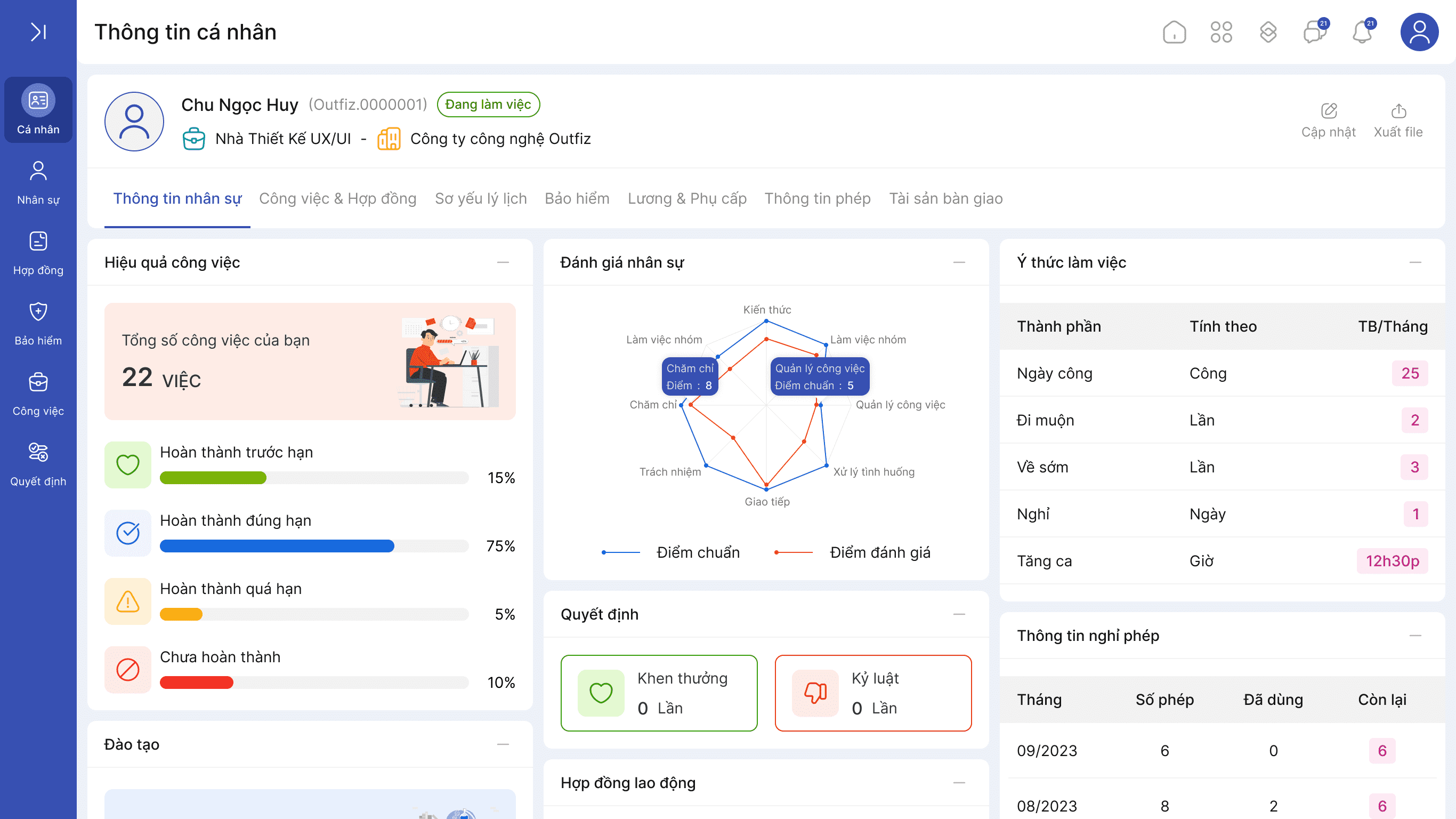
Leave Type (paid/unpaid) section using pie charts for the company's different types of leave. Additionally, apply the Zeigarnik Effect to display the number of leave types the user has used during the month or year.
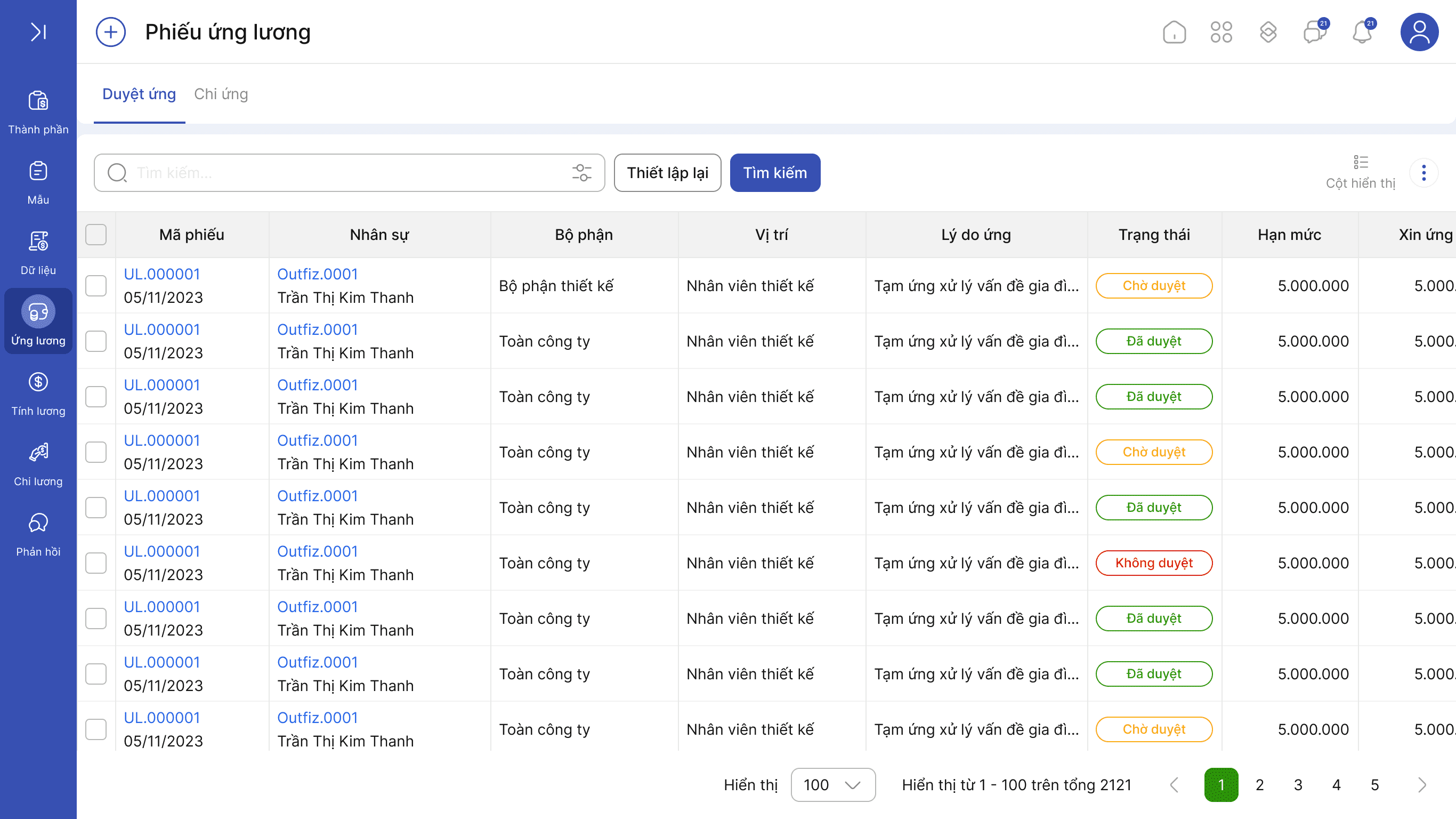
"Quick confirmation of leave requests" button. In some cases, just 1 click is enough, it will be a big problem when HR is faced with too many leave requests and they have to click on each one to accept.
Color the status of leave applications so users don't have to wonder about the review status of your leave requests.
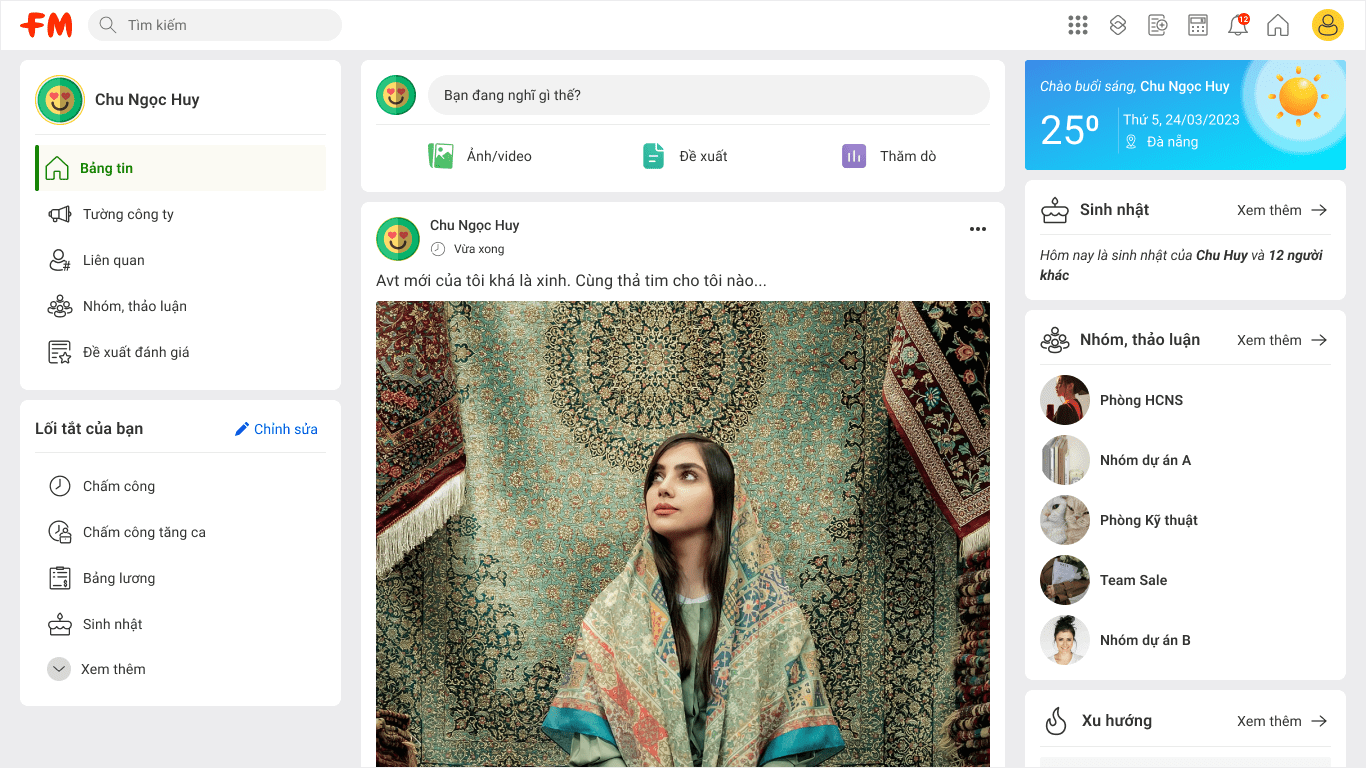
Leave a schedule in the company section to connect company members and provide flexibility in work allocation.
After understanding the overall goal of the entire project. In thefirst sprint, we conduct user surveys to get a project overview of thecontext , focus groups , required freatures ,user insights and more.
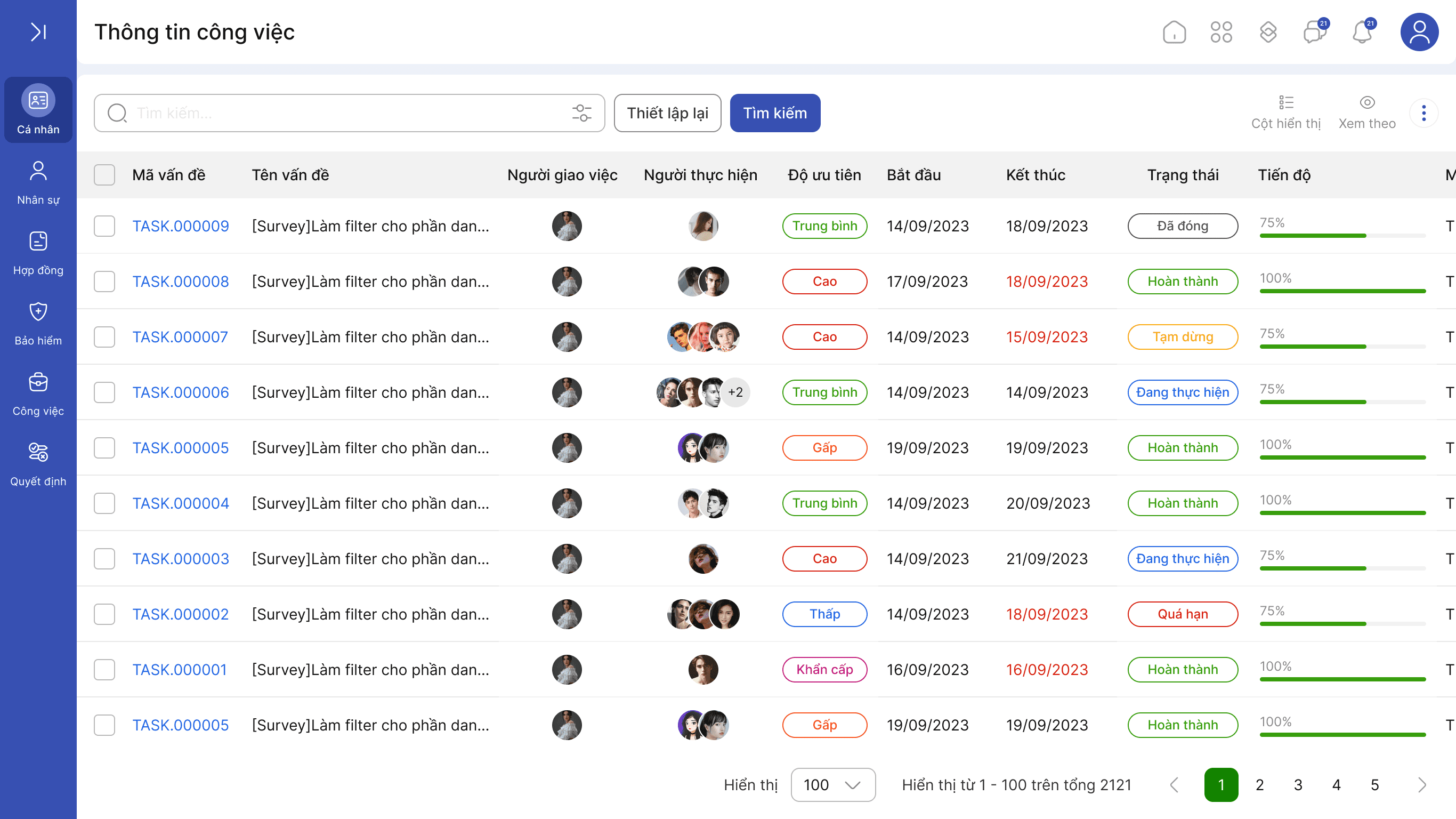
Step 4
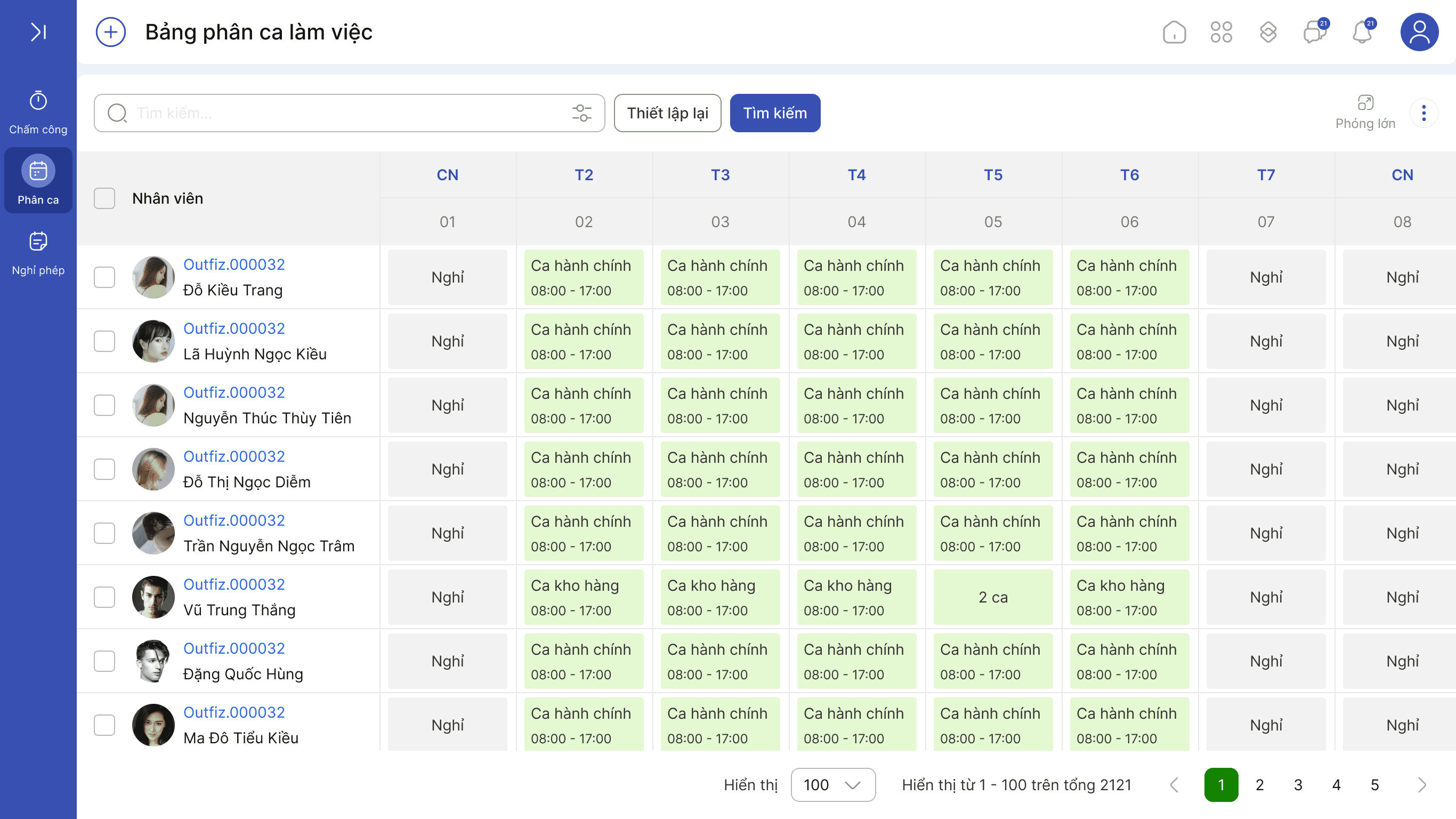
Task management was manual through Excel → error-prone and hard to track progress.
Team communication relied on third-party tools (Zalo,Telegram, Slack, Email) → scattered and inefficient.
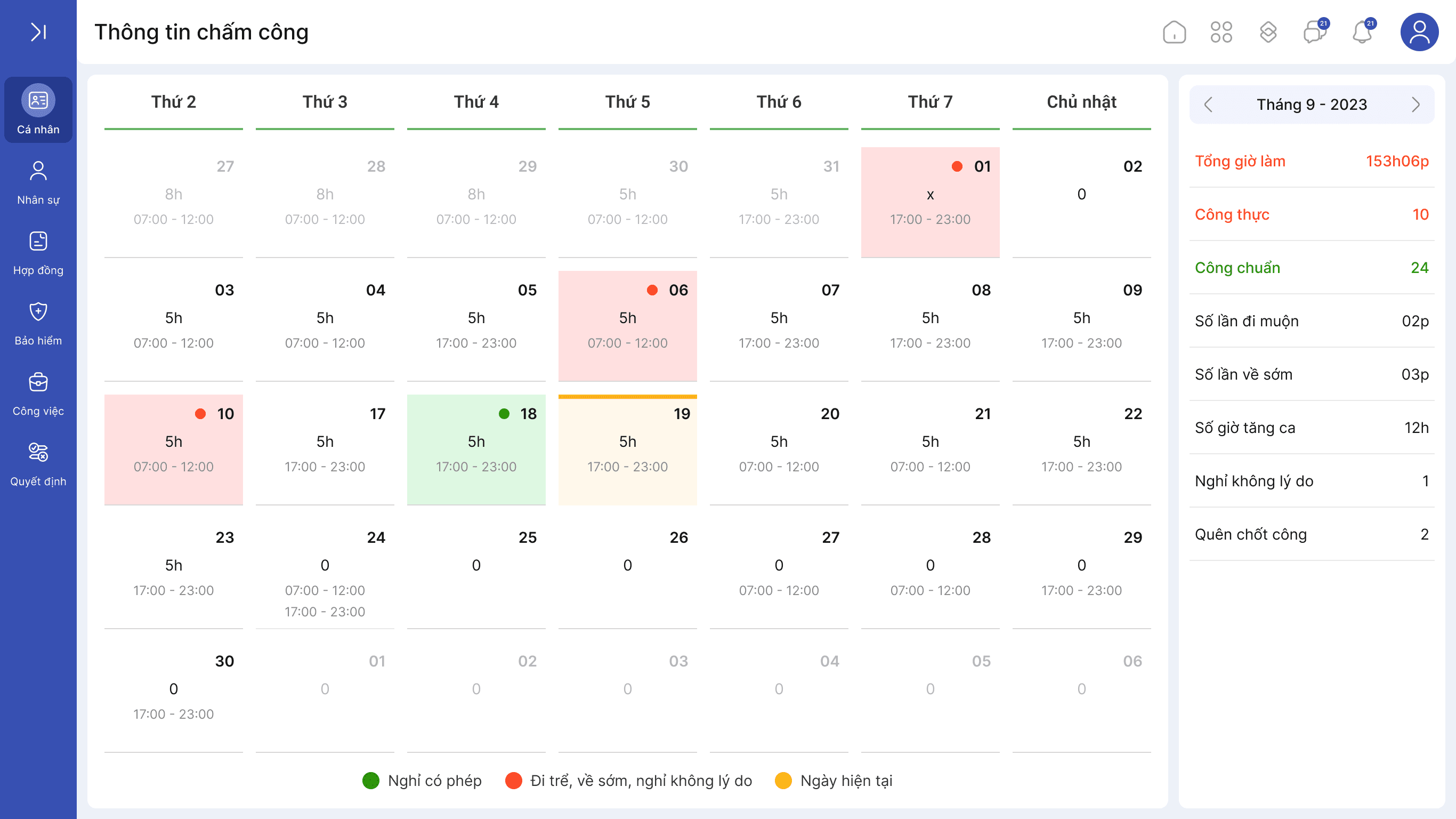
Attendance tracking was inconvenient, not covering late check-ins, early leave, holidays, or paid leave.
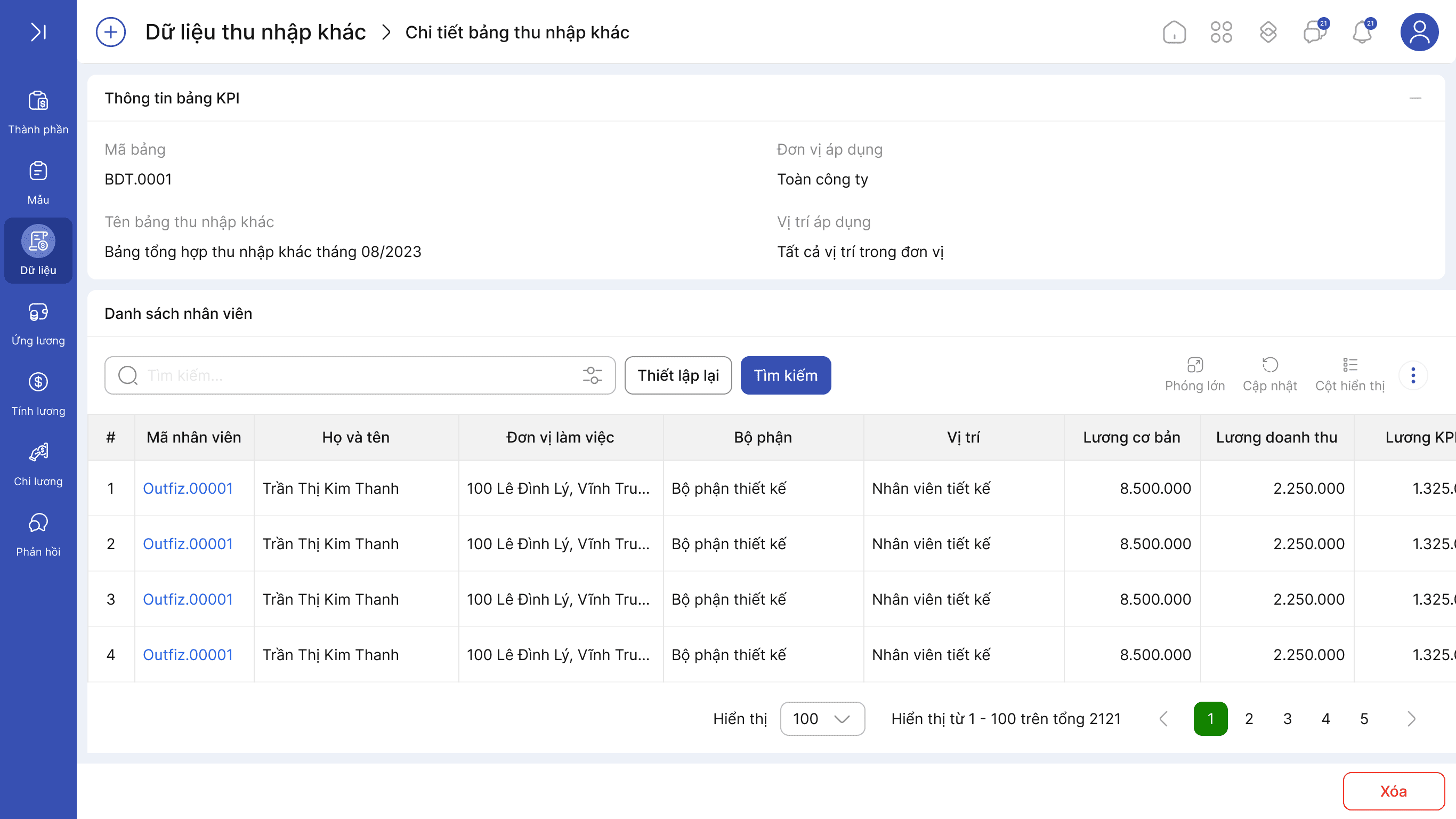
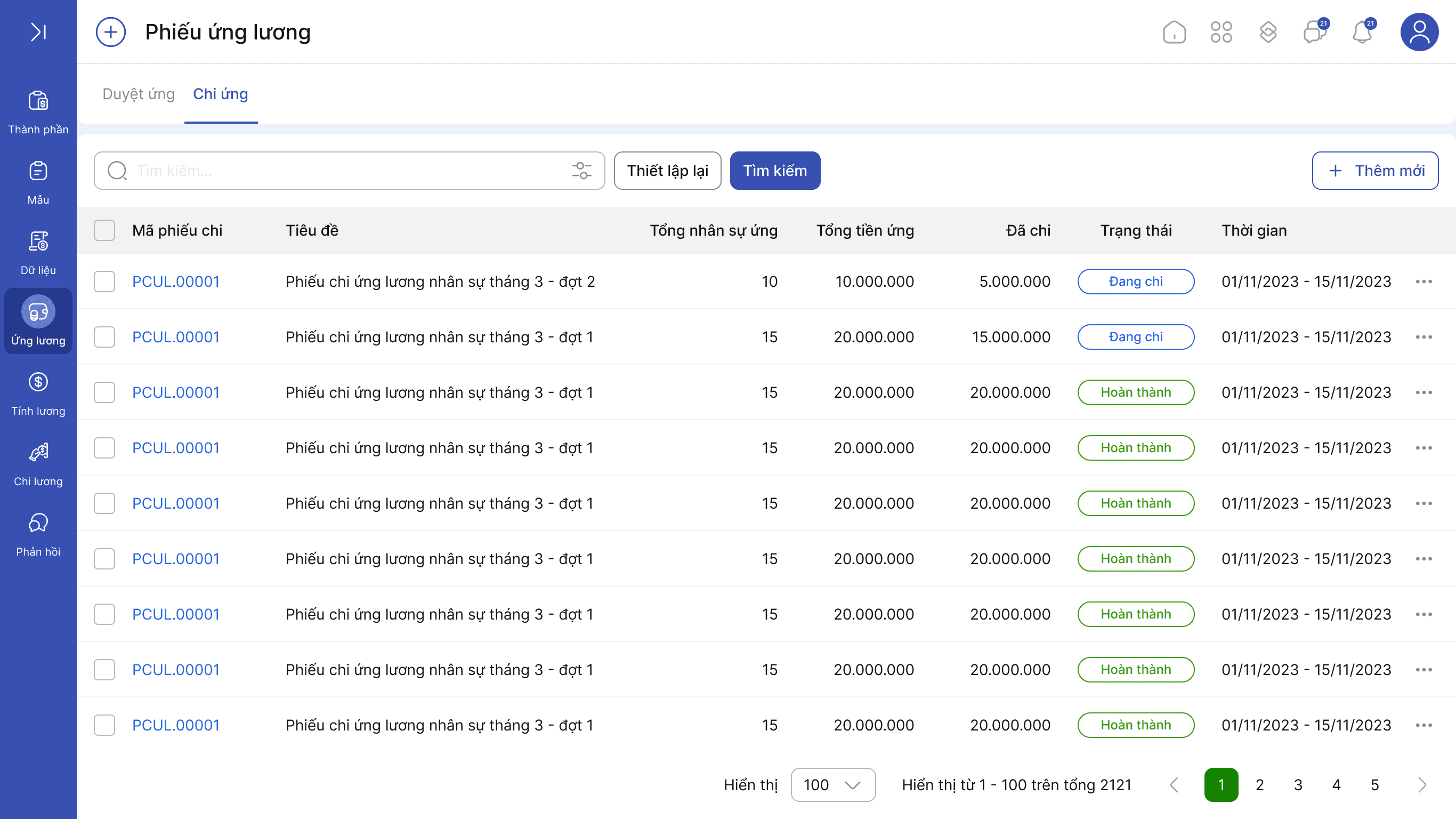
Payroll procedures were not optimized, requiring long manual processing time.
No flexible access → employees struggled with inconsistent system connection.
Built-in task management system with clear workflows and integrated meetings → improved task tracking efficiency by 35%.
Centralized communication hub → reduced dependency on third-party tools by 40%
Smart attendance: automatically records paid leave, holidays, short breaks, early departures, unexpected absences → lowered attendance errors by 50%.
Optimized payroll: automated processing reduced payroll cycle from 3 days to 1 day, improving accuracy by 30%.
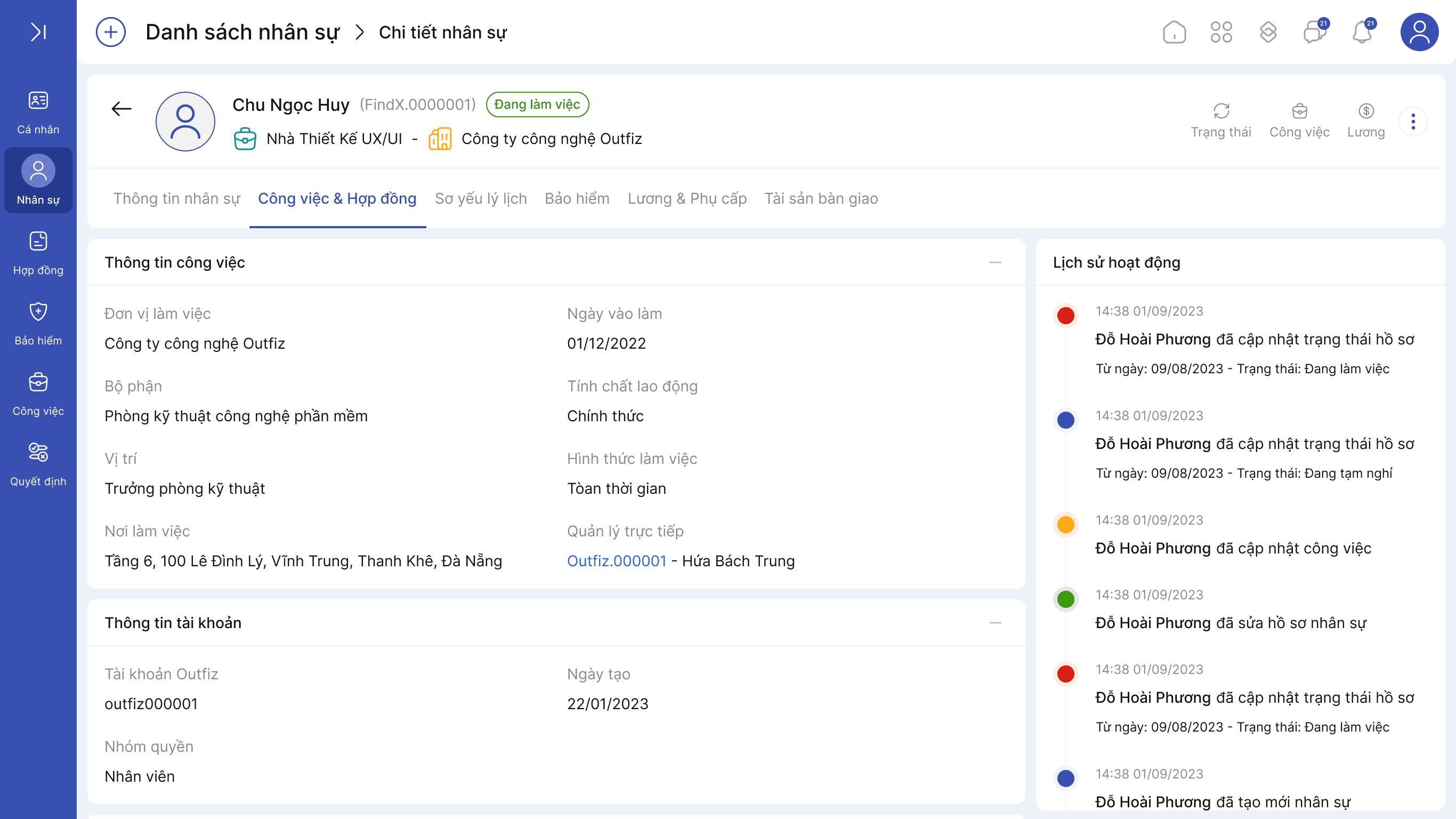
Simple and user-friendly interface for employees, accessible via Wi-Fi or 3G/5G, with system verification ensuring reliable and secure usage.
Usability testing such as: stable users with prototypes
At this stage, the Team will continue to conduct product prototyping and minimize basic errors. In particular, "Leave the page" is completed. General HRM product and a sample product for users to experience to receive feedback, from which the Team continues to iterate and make other improvements.
Integrates functions from human resource management to timekeeping and recruitment, automating many processes.
Utilizes talent management software to track and develop employee skills, supporting talent retention.
Uses an Applicant Tracking System (ATS) to reduce recruitment time, improve candidate quality, and cut costs.
Supports goal-setting, performance evaluation, and employee development, enhancing organizational performance management.
Creates transparency in HR processes, enhancing interaction between employees and management.
Human Resource Management (HRM) today is heavily influenced by technological advancements and modern HR trends. Below are key takeaways for HRM to optimize processes and develop the workforce:
HRM should use HRMS and HR tools to automate various processes. This integration helps minimize repetitive tasks, reduce errors, and enhance overall efficiency. Utilize talent management software to track and develop employee skills. Establish personal development plans to encourage career growth and retain talent.
Employ a Learning Management System to provide continuous training programs. This aids employees in enhancing skills and knowledge, fostering a positive learning environment. Leverage time management and attendance tracking software to minimize errors, increase transparency, and enable effective time management for employees.
Applicant Tracking Systems (ATS) assist in streamlining the recruitment process, from job postings to candidate selection. This helps reduce time and costs while improving the quality of hires.Implement fair reward and evaluation systems to motivate and drive commitment from employees. Create a positive work environment through fair assessments
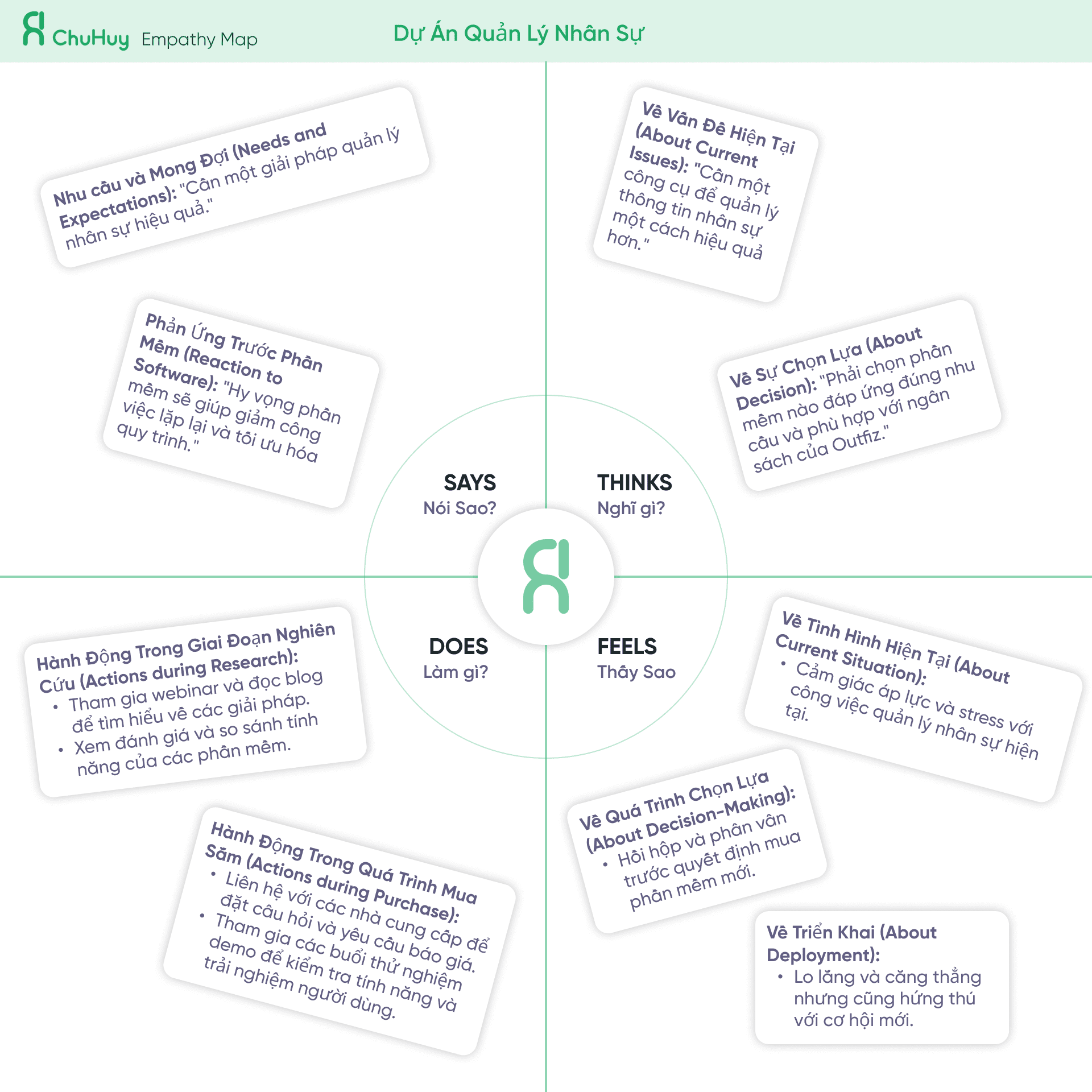
Use an Empathy Map to understand the emotions, thoughts, and needs of employees. This contributes to creating a positive work environment and supporting personal development. HRM needs to be flexible and ready to face technological changes and emerging HR trends. Regularly update and upgrade systems to ensure they meet the innovative needs of the organization.
By incorporating these experiences, HRM can not only optimize human resource management processes but also develop and maintain a positive and efficient work environment.